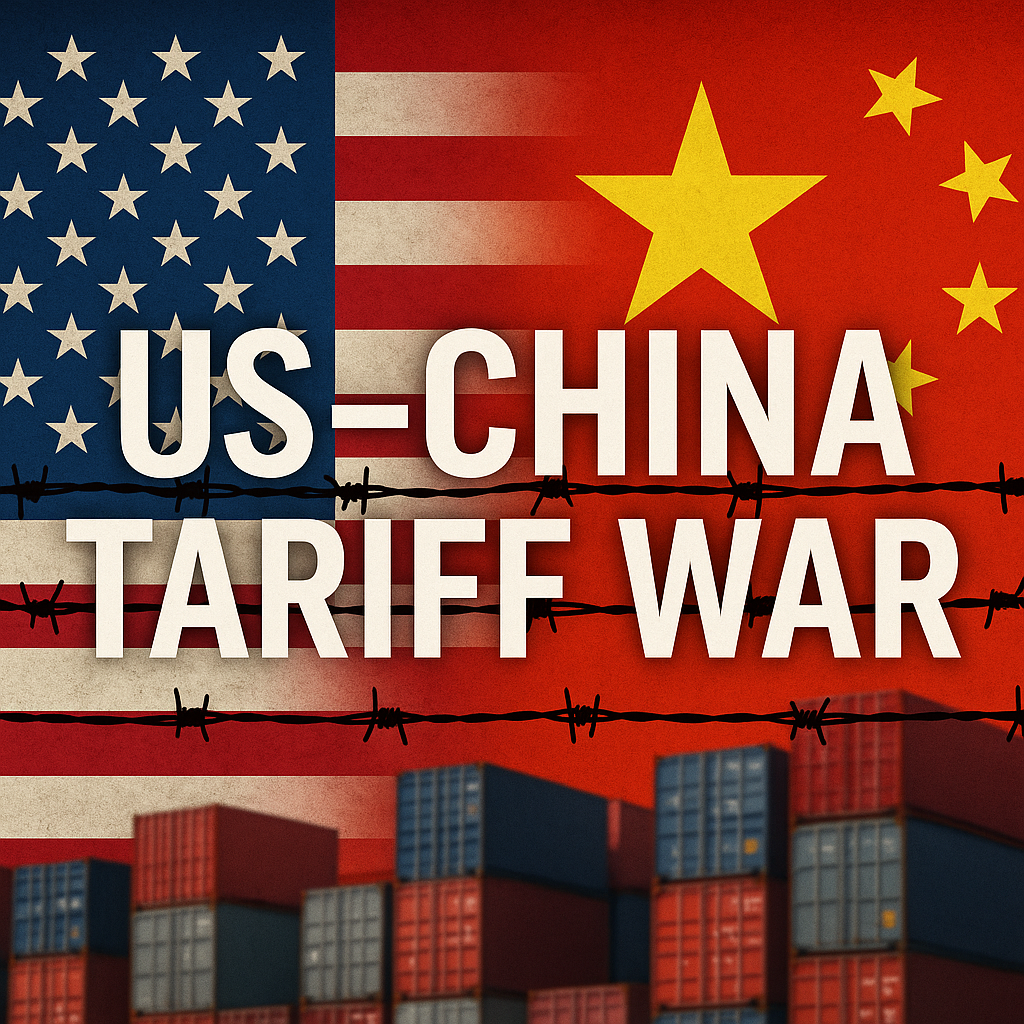
Beijing/Washington DC: In a sharp counter to U.S. President Donald Trump’s recent tariff hikes, China has announced a fresh wave of export restrictions — this time targeting rare earth elements and specialized magnets crucial to the global tech and defense industries.
The move, seen as a calculated escalation in the ongoing trade war, has raised alarms across key global industries. Manufacturers in sectors such as automobiles, aerospace, semiconductors, and military contracting are bracing for potential supply chain disruptions, as these rare materials are essential for producing a wide range of high-tech components.
China’s Strategic Export Halt
According to sources, the Chinese government has drafted a new regulatory framework that effectively blocks the export of rare magnets used in assembling everything from cars and drones to advanced robotics and missile systems. Ships carrying such exports are reportedly being held at Chinese ports as the new rules take effect.
Under the proposed regulations, a special export license will now be required to ship these rare earth materials and specialized magnets abroad — a move expected to halt their flow to select companies, particularly U.S. military contractors.
A Direct Blow to Trump’s Trade Policy
This development is widely regarded as China’s strongest response yet to Trump’s aggressive tariff policy. Just days ago, on April 12, the Trump administration announced a steep increase in tariffs on a wide array of Chinese goods. In an earlier move on April 4, China had already restricted the export of six rare earth elements — minerals that are refined almost exclusively in China, which accounts for nearly 90% of global production.
By expanding restrictions to include magnet exports, China is leveraging one of its most potent economic weapons — its near-monopoly over rare earths and the supply chains that rely on them.

U.S. Reacts with Concern
Reacting to the Chinese decision, White House economic advisor Kevin Hassett called the move “deeply concerning,” stating that the U.S. is “studying the implications of rare earth limitations very carefully.” He added, “These are strategic materials, and we are reviewing all available options in response.”
Where These Minerals Are Used
Rare earth minerals are indispensable for manufacturing high-performance magnets, which are integral to electric motors used in EVs, drones, robotics, missiles, and spacecraft. Even gasoline-powered vehicles rely on these electric components.
Beyond that, these metals play critical roles in producing jet engines, lasers, automotive headlamps, and certain high-end spark plugs. Rare earths also serve as key components in capacitors and electronic chips that power smartphones and AI servers — technologies that form the backbone of modern digital infrastructure.
Global Stakes High
As tensions mount between the world’s two largest economies, industries dependent on high-tech manufacturing are caught in the crossfire. The rare earth card played by China highlights how trade wars are no longer just about goods — but also about access to critical resources that shape the future of innovation, defense, and global power.